

Manager training that builds your bench
Strong managers stay longer and perform better. Opus helps you deliver training that improves retention, boosts performance, and builds confident leaders.
How Opus delivers better leadership training
Opus gives you the tools to spot leadership potential early, build real skills through short, sequenced training, and reinforce confidence with structured, on-the-floor coaching.
Identify leadership potential early
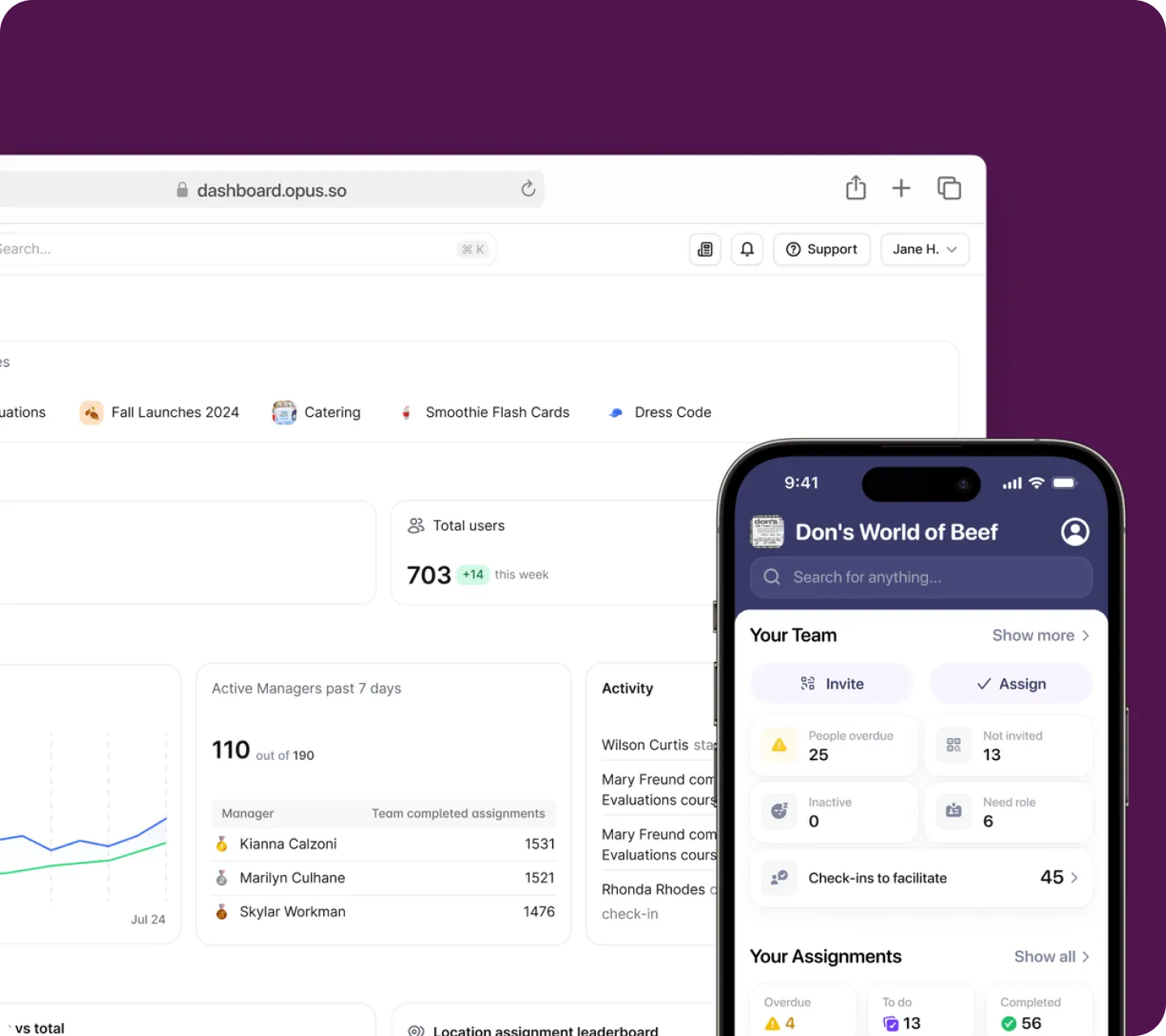
Spotlight your top performers early with task performance data, training completion, and leaderboards.

Structured training, sequenced automatically
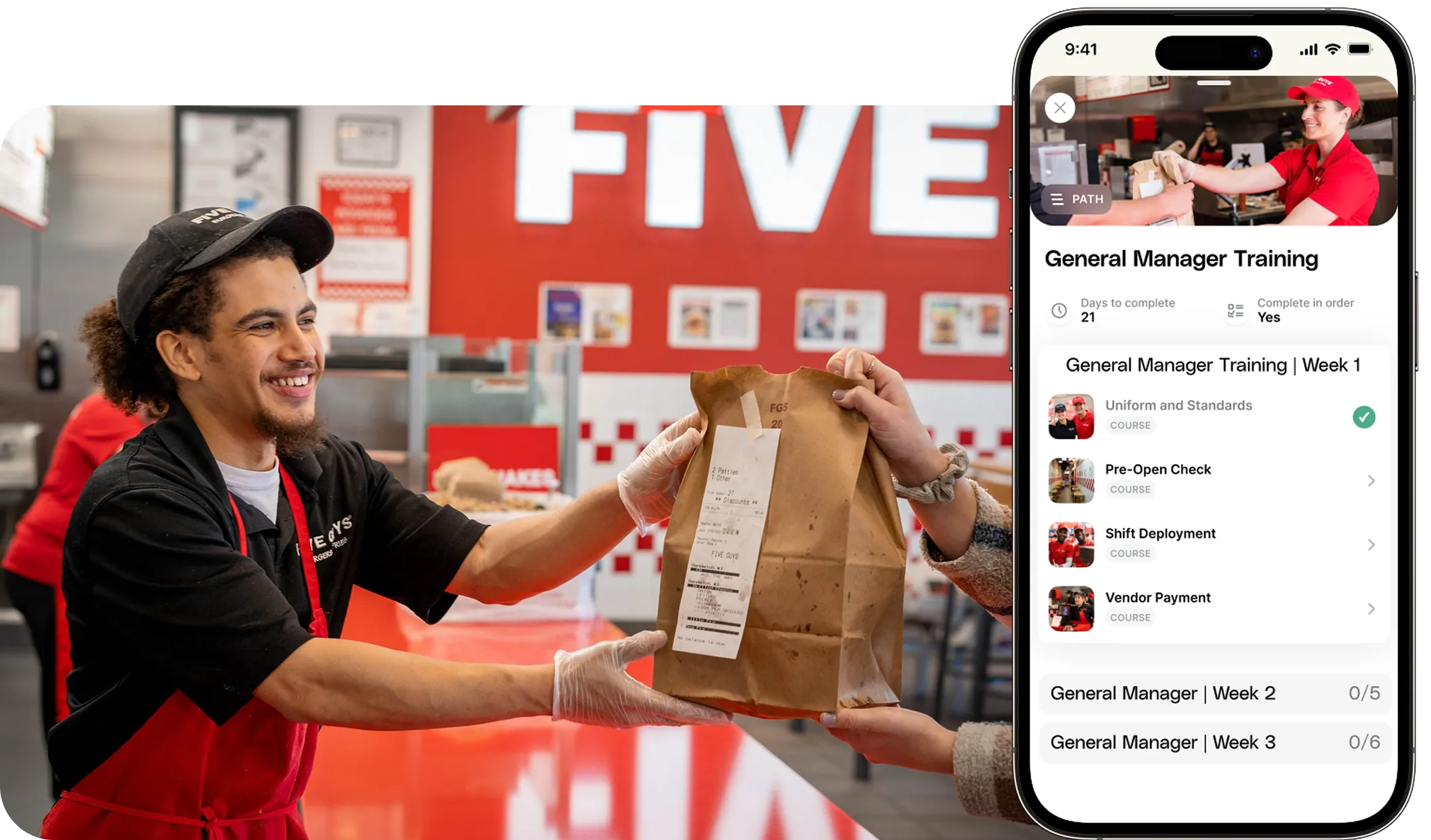
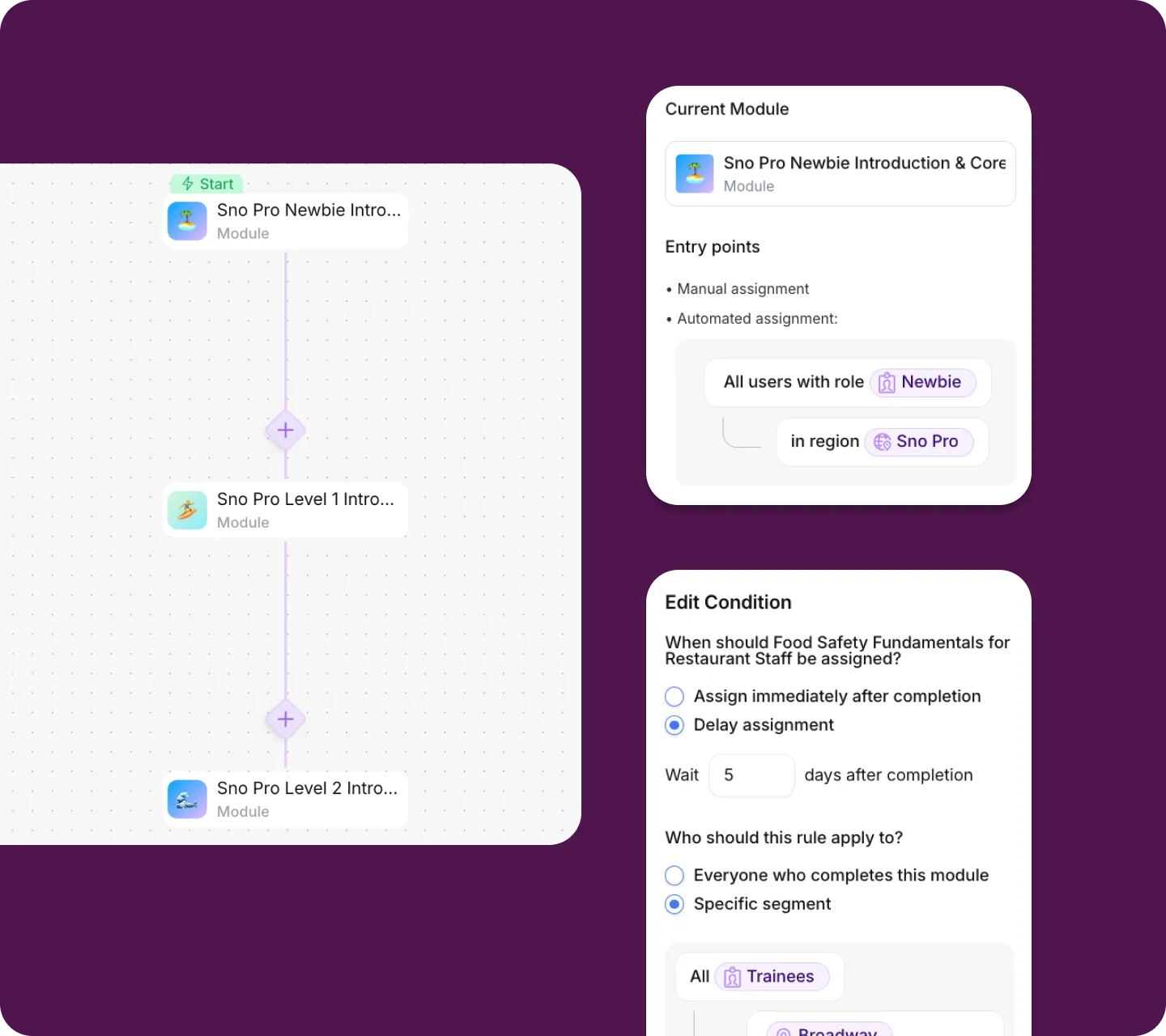
Training works better when it follows a plan. Opus turns your content into sequenced paths with short lessons, timed checkpoints, and clear milestones.
Monitor new manager progress
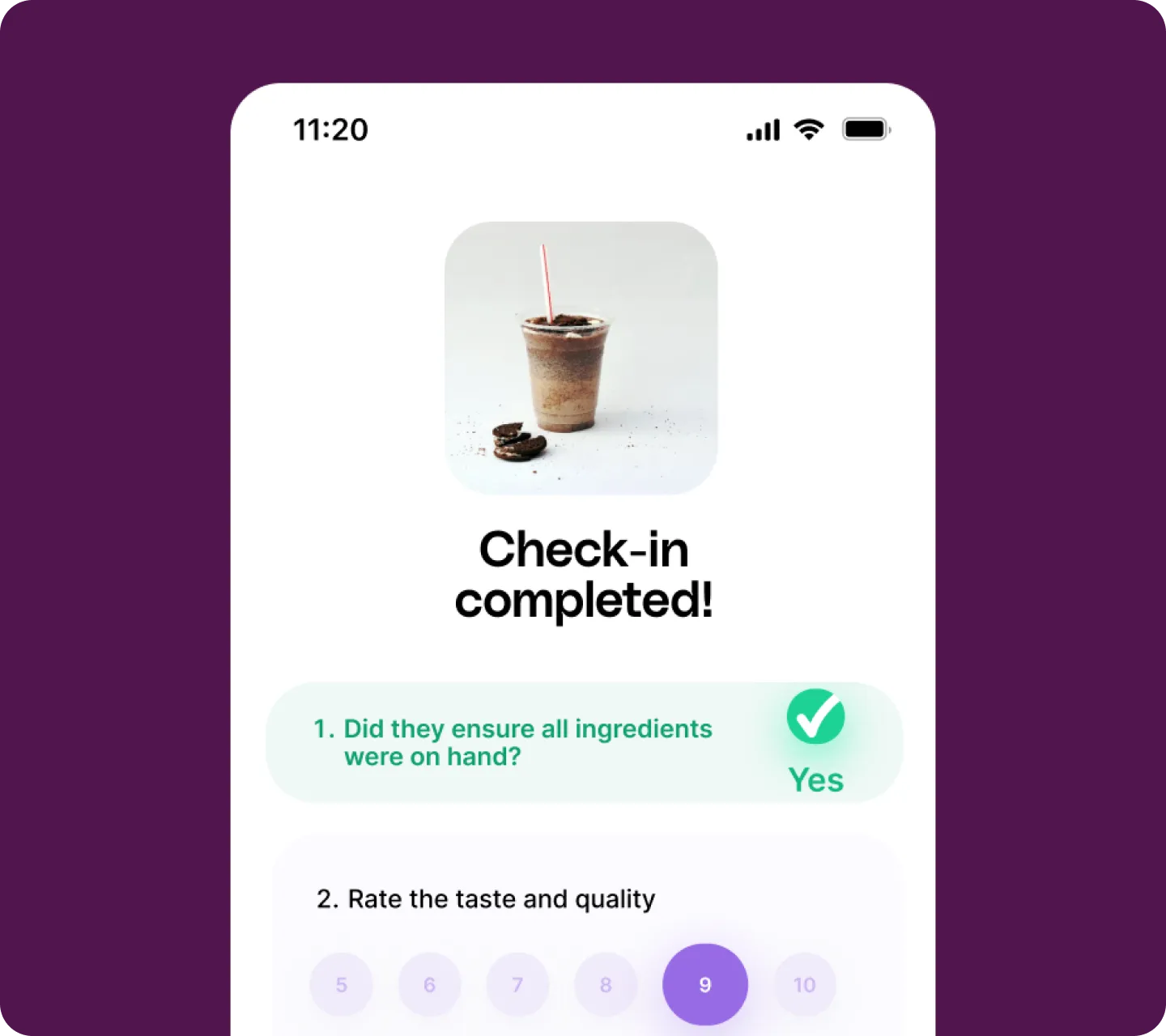
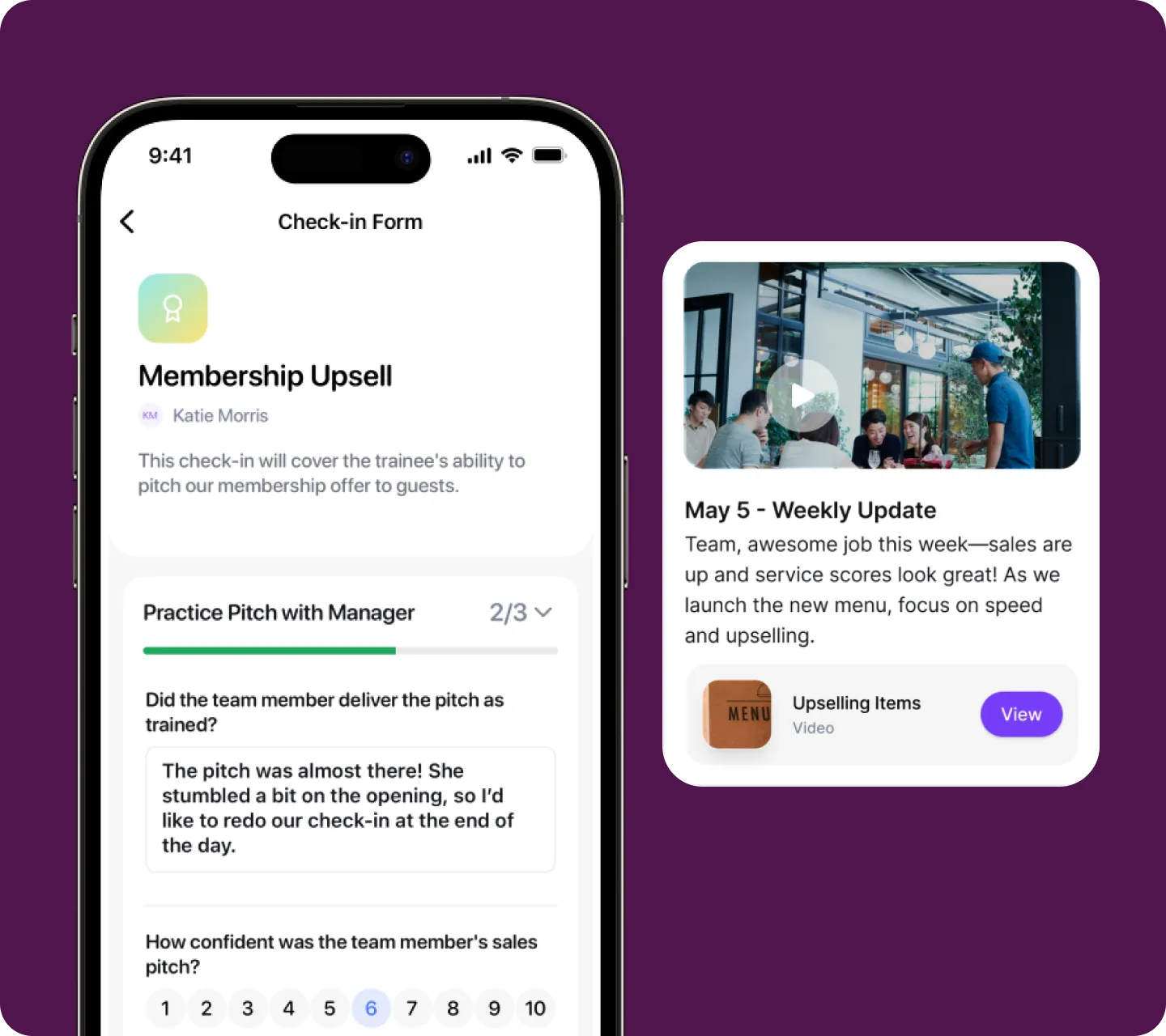
Support managers beyond their initial training. Check-ins, Task List approvals, and Messages show how managers hold standards on the floor and where they need support.

Trackable in-person coaching
Use Check-ins to coach and track high-impact leadership skills like giving feedback or resolving conflict.
Ready-made manager training
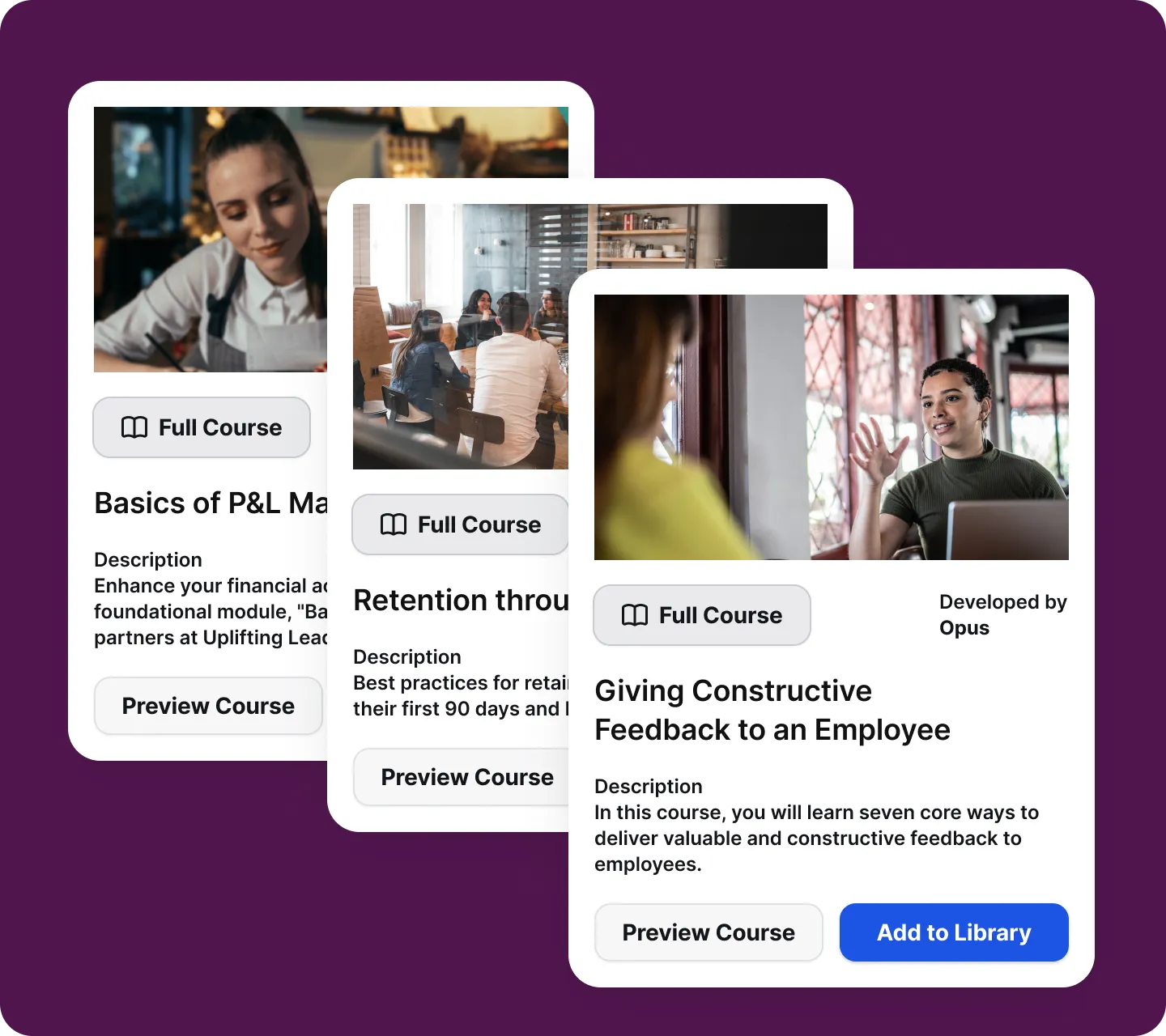
Opus comes with ready-to-run courses on must-have manager skills—like delegation, P&L ownership, and tough conversations. Plug them in, make them yours, and go live fast.


Built for how you operate

Life’s Food (Five Guy's Franchise) - Cut overall turnover by 50% and achieved zero voluntary GM turnover in 12 months with structured manager development.
Levity Live - Built a multi-week FOH Manager-in-Training program with short, on-the-floor lessons and downloadable job aids, reducing shadowing time while strengthening promote-from-within culture.

Bricktown Brewery - Boosted 90-day retention by 9% with a structured, blended Manager in Training program combining e-learning, field-trainer coaching, and final skill challenges.

&pizza - Shortened new-leader ramp time from 7 weeks to 5 weeks with microlearning built for fast-paced, on-the-floor environments.
The complete training operations platform
Everything your team needs to train, work, and grow—in one place.


Frequently asked questions
Opus takes a more practical approach: Mobile-first lessons introduce concepts in short formats that fit real shift schedules. In-person check-ins create structured checkpoints to verify critical behaviors like giving feedback or resolving conflict. These checkpoints replace guesswork with clear visibility into manager readiness. Training paths flex to how your organization already develops leaders—whether that’s 30-60-90 day plans, leveled credentials, or custom role-based tracks. Opus keeps everything sequenced and on track automatically, so managers build skills consistently without extra work from your team.
Manager-prerequisite modules add clarity by showing who has completed the required skills for the next role. Life’s Food uses this approach to certify team members before promotion. These combined signals help teams identify high performers early and promote based on evidence, not intuition.
Instead of a “learn everything on day one” approach, new leaders follow sequenced training built for the floor. Bite-sized, mobile lessons introduce responsibilities gradually. Time-gated checkpoints and in-person check-ins provide structure and clear expectations across the first weeks and months, helping managers build confidence on the job. Together, these systems lighten the mental load, reduce early missteps, and make it easier for new managers to succeed from day one.
To help managers enforce compliance on their teams, Opus sends automated alerts, surfaces real-time reporting, and flags missed deadlines before they become issues. Leaders can spot gaps early and follow up quickly—without relying on spreadsheets or chasing paperwork.
Organizations that need additional soft-skill training content can also draw from Opus’s course marketplace, which has expert-created training on delegation, conflict resolution, new-hire coaching, and other core leadership capabilities.
Ready for
what’s next?
